Digestive Balance: TCM Strategies for Gut Health (and How Primary Care Can Help)
When digestion is unstable, it affects more than the stomach. Bloating, reflux, or irregular stools often show up alongside fatigue, brain fog, cravings, or mood changes. That is why gut health is so tightly linked to energy and immune resilience. TCM approaches this with a practical focus: restore rhythm, reduce strain, and build steady function over time.
This guide explains how TCM views digestive balance, what daily habits matter most, and when primary care should be part of the plan.
What TCM means by digestive balance
In TCM, the Spleen and Stomach are responsible for transforming food into usable energy. When this system is strained, people often notice:
-
Fullness or bloating after meals
-
Alternating constipation and loose stools
-
Low appetite or strong sugar cravings
-
Heaviness, fatigue, or sluggish thinking
-
Sensitivity to cold foods and iced drinks
Two people can share the same symptom for different reasons, which is why treatment is individualized rather than one size fits all.
A simple way to read your signals
Instead of focusing only on a diagnosis, watch patterns in everyday life:
-
Timing: Do symptoms flare after certain meals or at night?
-
Temperature: Do you feel better with warm foods and worse with cold?
-
Stress: Does digestion worsen during busy or anxious periods?
-
Energy: Do you feel tired after eating or crave sugar to keep going?
This kind of tracking helps your practitioner choose the right approach and helps you see what is working.
The habits that change the most (and why)
You do not need a perfect diet. You need repeatable habits that reduce digestive load.
1) Make warmth the default
Cooked meals are easier to digest and often reduce bloating.
Good starting points:
-
Oatmeal, congee, soups, or stews
-
Cooked vegetables instead of large raw salads
-
Warm drinks over iced beverages
2) Keep meal timing predictable
Your gut responds to rhythm. Try to eat around the same times and leave 3 to 4 hours between meals. If reflux is an issue, finish eating at least 2 hours before bed.
3) Reduce sugar swings
Excess sugar can spike energy and then crash it, which often worsens cravings and gut discomfort. If you want something sweet, pair it with a meal instead of eating it alone.
A practical plate framework (no table needed)
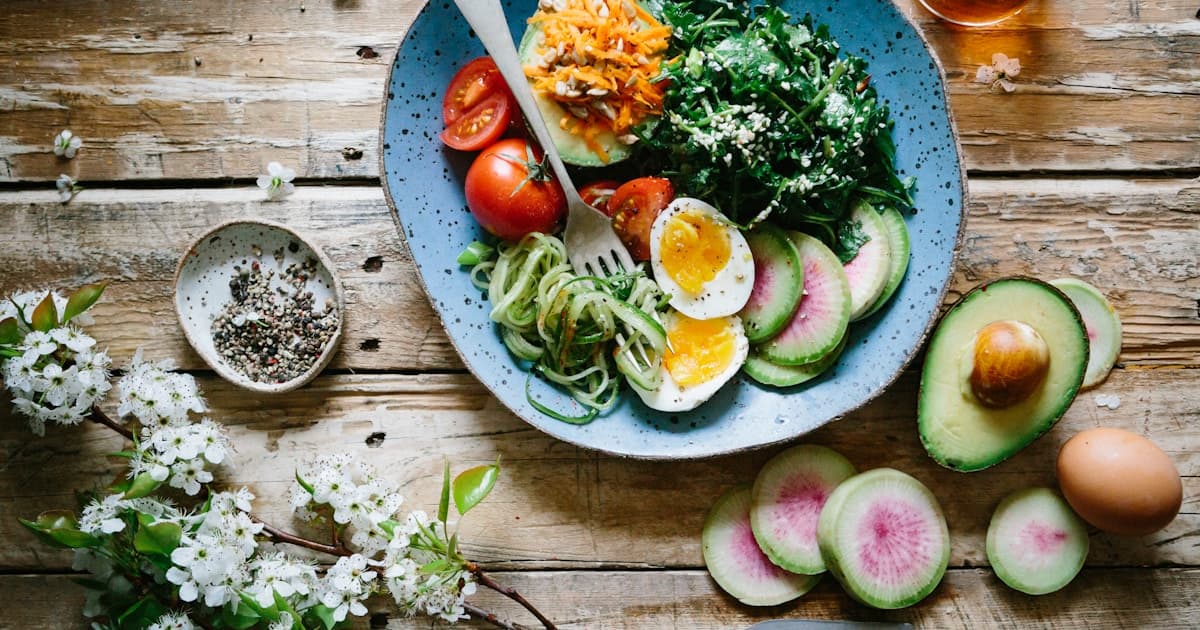
Use this as a loose template for most meals:
-
Warm base: soup, stew, congee, oatmeal, or rice
-
Cooked vegetables: roasted carrots, sauteed greens, steamed zucchini
-
Protein: eggs, fish, chicken, tofu, beans (as tolerated)
-
Simple carbs: potatoes, rice, noodles, or quinoa
-
Digestive spices (optional): ginger, cinnamon, or fennel
If you have reflux or IBS triggers, go slowly with spices and adjust based on your response. For IBS support, see the IBS and digestive issues section.
When TCM care can help
Lifestyle is the foundation, but targeted care can help when symptoms keep returning.
Acupuncture
Acupuncture is used to support digestive regulation and calm stress-driven gut symptoms. It can be useful for bloating, irregular stools, and tension that shows up in the abdomen. Learn more on the acupuncture service page.
Herbal medicine
Herbal formulas can be customized for motility, cramping, or low energy patterns. This should always be guided by a professional. If you want to learn more about how formulas are built, see Chinese herbal medicine.
When primary care should be involved
Integrative care is often the best path. Primary care is essential if you have:
-
New or rapidly worsening symptoms
-
Unintended weight loss, blood in stool, or persistent vomiting
-
Ongoing fever or significant dehydration
-
A history of inflammatory bowel disease or colorectal cancer
If you are unsure, start with a medical evaluation and then integrate TCM as appropriate.
FAQ
Can stress really change digestion?
Yes. Stress affects motility, appetite, and the gut-brain connection. Many patients see improvements when stress is addressed directly.
Do I have to stop eating raw foods?
Not always. If you run cold or feel bloated, cooked meals often help. You can reintroduce raw foods later as digestion improves.
How soon might I notice changes?
Some people feel better within 1 to 2 weeks of consistent habits. Longer patterns may take several weeks with treatment support.
Disclaimer
This article is for educational purposes and does not replace medical advice. If you have a serious or persistent condition, consult a qualified healthcare professional.
If you want a plan
If digestion is interfering with your energy or daily routine, schedule a visit to build a clear, realistic plan that fits your lifestyle and health history.
About Dr. Huang
Experienced professional sharing practical insights and best practices to help customers make informed decisions.
Learn More About Our TeamRelated Services & Conditions
Conditions