Cupping Therapy for Muscle Tension: What to Expect and When It Helps
If your shoulders feel tight no matter how much you stretch, or your back still feels “locked” after a workout, it can be hard to know which treatment is worth trying. Many people are curious about cupping but worry about the marks or wonder if it is just a trend. This article is a practical guide for people who want clarity, not hype. You will learn what cupping does, what a session feels like, and how to decide if it fits your goals.
Why tension can feel stuck
Chronic tightness is rarely just a muscle issue. It often involves reduced circulation, protective muscle guarding, and nervous system stress. When your body stays in a high‑alert state, the same areas tighten repeatedly even after the original strain is gone. In TCM, this is often described as Qi and blood not moving smoothly. In modern terms, the goal is to restore circulation and signal the body to let go of guarded tissue.
How cupping changes the tissue response
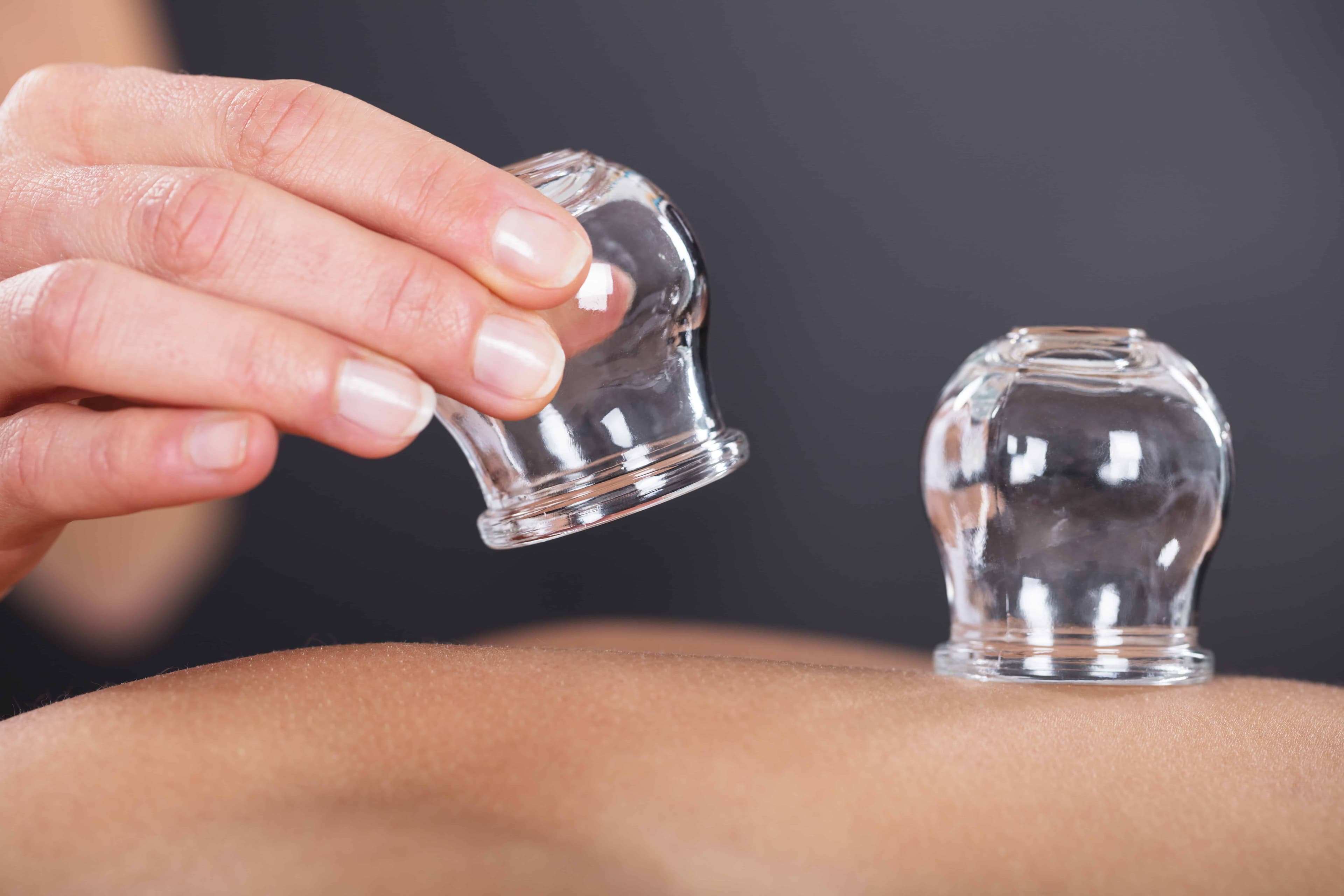
Cupping uses gentle suction to lift the skin and superficial tissue. That lift can increase local blood flow and help the nervous system reduce guarding. Many people compare it to a reverse massage because it lifts rather than presses. In clinical practice, it is often paired with acupuncture or manual therapy when tightness is stubborn.
If you want the clinical overview, see the cupping therapy service page.
What a visit looks like
A typical session starts with a short check‑in about where you feel tight. Cups are placed and suction is adjusted to a comfortable level. You should feel a strong pull, not sharp pain. Depending on your needs, the cups may stay in one place or glide across the skin with a small amount of oil.
Many people feel warmth or easier movement the same day. Circular marks are common and usually fade within days. If you are new to integrative care, the first acupuncture visit guide explains how cupping fits into a broader treatment plan.
When cupping tends to help most
Cupping is often useful for:
-
Tight shoulders and neck strain, including neck and shoulder pain
-
Mid‑back or low‑back tension, including back pain
-
Tension‑type headaches, including headaches and migraines
-
Post‑workout recovery when muscles feel heavy or stiff
-
Desk‑related posture strain that does not respond to stretching
-
Areas that feel tight again within a day or two after massage
How long results typically take
Some people feel a noticeable change after one visit. For longstanding patterns, a short series works better. Acute issues may improve in 1–3 sessions, while chronic tension often responds over 4–8 weeks. Consistency matters because daily stress and posture can quickly bring old patterns back.
Safety and limitations
Cupping is generally safe with a licensed practitioner. It is not appropriate for everyone. People with fragile skin, active rashes, or bleeding disorders should consult a clinician first. Pregnancy can require modifications. Always tell your provider about medical conditions or medications.
FAQ
Does cupping hurt?
Most people feel firm pulling pressure. It should be strong but not painful.
Are the marks harmful?
The marks are usually temporary and fade within a few days.
Can cupping be combined with acupuncture?
Yes. Many patients use both, especially when tension and stress occur together.
Disclaimer
This article is for educational purposes and does not replace medical advice. If you have a serious or persistent condition, consult a qualified healthcare professional.
Next step
If you are unsure whether cupping fits your situation, a short consultation can clarify options and set realistic expectations.
About Dr. Huang
Experienced professional sharing practical insights and best practices to help customers make informed decisions.
Learn More About Our Team