Moxibustion: The Warming Therapy Guide
You wake up cold even when the heat is on. Your low back feels stiff until midday. A warm shower helps, but the relief fades quickly. If that feels familiar, you are not alone. Many people live with cold sensitivity, fatigue, or achy tension that does not fully respond to stretching, supplements, or more coffee. Moxibustion is a warming therapy used alongside acupuncture that can help improve circulation, comfort, and overall resilience.
This guide explains what moxibustion is, how it works, what it feels like, who it helps most, and how to decide if it fits your needs.
What is moxibustion (and why warmth matters)
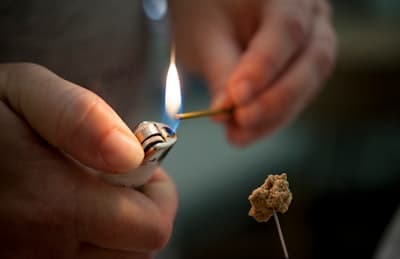
Moxibustion uses the warmth of burning mugwort (moxa) to stimulate acupuncture points and support circulation. The heat is targeted, not general. Instead of warming a whole area like a heating pad, the practitioner selects specific points based on your symptoms and overall pattern.
When the body runs “cold,” tissues can feel tight, circulation can feel sluggish, and recovery can take longer. In TCM, cold patterns often show up as fatigue, digestive weakness, or pain that feels better with heat and worse in cold or damp weather. Moxibustion aims to restore warmth where the body needs it most.
How it may help from a modern perspective
Warmth has measurable effects, even without a mystical explanation. People often seek moxibustion because it can:
-
Encourage local blood flow and circulation
-
Relax tight or guarded tissues
-
Support recovery after overuse or chronic strain
-
Calm the nervous system and reduce “stress tension” loops
NIH and WHO recognize acupuncture as a therapy used for pain and stress‑related conditions. Moxibustion is commonly paired with acupuncture to deepen those effects, especially for cold or low‑energy patterns.
If you want the treatment overview first, start with the acupuncture service page.
What a session feels like (and what it should not feel like)
Most patients describe a gentle, soothing warmth that builds gradually. Common sensations include:
-
A slow, comfortable heat that spreads in the area
-
A “melting” or softening feeling in tight muscles
-
Relaxation or mild drowsiness
What it should not feel like:
-
Sharp pain
-
Burning on the skin
-
Panic‑inducing heat
A trained practitioner monitors distance, timing, and your feedback throughout. If you are heat‑sensitive, say so. There are multiple ways to apply moxa safely and comfortably.
Who tends to benefit most
Moxibustion is not for one type of person, but it is often helpful for people who relate to these patterns:
-
Cold hands and feet, even in mild weather
-
Low back or joint stiffness that improves with heat
-
Fatigue that feels more “drained” than sleepy
-
Pain that worsens in cold or damp conditions
-
Digestive sluggishness and low appetite
If you recognize these, moxibustion may be a good fit to try alongside a broader treatment plan.
Common clinical methods
Different clinics use different tools. The most common options include:
Indirect moxibustion
The moxa burns near the skin, often held over a point or used with a buffer. This is the most widely used method.
Moxa stick (cigar‑style)
A compressed stick of mugwort is lit and held at a safe distance, moving in small circles or hovering over points. This is popular for larger areas like the abdomen or low back.
Needle‑top moxibustion
A small amount of moxa is attached to the end of an acupuncture needle and lit so the warmth travels down the needle. Not every clinic offers this, and it is not appropriate for every patient.
Smokeless moxa
Some practices offer low‑smoke options for people sensitive to odor or smoke. Ask your clinic about ventilation and alternatives if this matters to you.
Moxibustion vs. other heat options
Heat is helpful, but not all heat is the same. Here is a quick comparison:
-
Moxibustion therapy — Best for: point‑specific warming + acupuncture support. Pros: targeted, customizable, deeply relaxing. Considerations: smell/smoke depending on method.
-
Heating pad — Best for: general comfort. Pros: easy at home. Considerations: less targeted; easy to overdo time/temperature.
-
Hot shower/bath — Best for: whole‑body relaxation. Pros: great for stress. Considerations: effects may be short‑lived.
-
Topical warming creams — Best for: local relief. Pros: portable, fast. Considerations: can irritate sensitive skin.
Moxibustion stands out because the warmth is applied strategically, based on clinical point selection.
When to combine with other care
The best results often come from combining moxibustion with lifestyle and clinical care.
Moxibustion can be a good fit when:
-
You want non‑medication support for cold sensitivity or chronic stiffness
-
Stress makes your symptoms worse
-
You respond well to heat but want something more targeted
Primary care is essential when:
-
Symptoms are new, severe, or worsening
-
You have unexplained weight loss, persistent vomiting, or blood in stool
-
You have anemia, ongoing fever, or significant dehydration
-
You need medication review (some meds worsen reflux or constipation)
If you are unsure, start with a medical evaluation and then integrate moxibustion as appropriate.
How many sessions are typical
There is no universal number because goals vary. A practical guide:
-
Seasonal cold sensitivity or occasional stiffness: some people schedule sessions during colder months or when symptoms flare.
-
Chronic pain or long‑term fatigue: a short series is often recommended to build momentum.
A useful decision rule: if you notice even a small but clear improvement after 1–2 visits (better warmth, less stiffness, deeper sleep), it may be worth continuing for a structured trial.
Safety and limitations
Moxibustion is generally safe when performed by a licensed practitioner. Use extra caution if you have reduced sensation (neuropathy), skin conditions that flare with heat, respiratory sensitivity, or are pregnant. A good clinician will explain why they are choosing moxibustion and what alternatives exist.
FAQ
Is moxibustion safe for sensitive skin?
It can be, but the technique should be adjusted. Always tell your practitioner about heat sensitivity or skin issues.
Can I do moxibustion at home?
Home use is possible, but it should be taught by a professional to avoid burns and ensure proper point selection.
Does it replace acupuncture?
Not usually. It is often used alongside acupuncture to deepen warming and circulation effects.
Disclaimer
This article is for educational purposes and does not replace medical advice. If you have a serious or persistent condition, consult a qualified healthcare professional.
Next step
If cold sensitivity, stiffness, or low energy are limiting your day, a brief consultation can help you decide whether moxibustion belongs in your care plan.
About Dr. Huang
Experienced professional sharing practical insights and best practices to help customers make informed decisions.
Learn More About Our Team